


Sustainable fat loss starts with food quality, movement, and sleep, not a single tonic.
Few weight-loss products spread as fast as "Japanese-inspired" tonics. Nagano Lean Body Tonic is one of the latest names circulating through social media videos and ads, usually with promises of effortless fat loss, a "metabolic reset," and results that supposedly work without changing your lifestyle. Before spending money or putting any new supplement into your body, it is worth asking a simple question: what does the evidence actually say?
This review explains how tonics like this are marketed, what the physiology of fat loss really involves, which ingredient claims have scientific support, and where the red flags are. It is educational content and not a substitute for personal medical advice.
What Is Nagano Lean Body Tonic Claimed to Be?
Nagano Lean Body Tonic is promoted as a powdered or liquid dietary supplement that supports weight loss, appetite control, and energy. Like many products in this category, its marketing leans on the image of Japanese longevity and traditional wellness. The product's promotional material typically suggests it can "ignite" metabolism or target stubborn fat.
Two important points apply to any product like this:
- Dietary supplements in the United States are not approved by the FDA for safety and effectiveness before they are sold. The FDA's dietary supplement guidance explains this regulatory difference clearly.
- Marketing pages are not clinical evidence. A product can mention real ingredients that have been studied without the finished formula ever being tested.
Ingredient lists and doses vary between sellers and batches, so always read the actual label of what you are considering. The scientific discussion below covers the types of ingredients commonly used in weight-loss tonics, not a verified analysis of any single formula.
How Fat Loss Actually Works: The Physiology Behind the Claims
Key Point 1: Energy Balance and Total Daily Energy Expenditure
Body fat is stored energy in the form of triglycerides inside adipocytes (fat cells). To reduce it, the body must spend more energy than it takes in over time. Total daily energy expenditure has four parts: basal metabolic rate (the energy to keep organs working), the thermic effect of food (energy used to digest and absorb nutrients), exercise activity, and non-exercise activity thermogenesis (everyday movement). Basal metabolism accounts for the largest share, and it is driven mostly by lean mass, age, and genetics, not by a tonic.
Key Point 2: Hormonal Control of Hunger and Fat Storage
Several hormones shape how easily you gain or lose weight. Leptin, released by fat cells, signals fullness to the hypothalamus. Ghrelin, released by the stomach, stimulates hunger. Insulin promotes storage of glucose and fat after meals, while cortisol, the stress hormone, can encourage abdominal fat storage when chronically elevated. Poor sleep raises ghrelin and cortisol while lowering leptin, which is why sleep deprivation often leads to stronger cravings.
Key Point 3: Lipolysis and Thermogenesis
Fat breakdown (lipolysis) occurs when hormones such as adrenaline and noradrenaline activate enzymes like hormone-sensitive lipase, releasing fatty acids that mitochondria can burn. Thermogenesis is the production of heat from energy expenditure. Some compounds can modestly nudge these pathways, which is the basis for most "fat-burning" claims. The size of the effect is usually small, and it does not replace a calorie deficit.

Resistance training preserves lean mass, which helps keep metabolic rate from falling during weight loss.
Common Tonic Ingredients: What the Research Suggests
Weight-loss tonics often combine plant extracts, acids, and stimulants. Here is what the science says about the most frequently used categories.
Key Point 4: Green Tea Catechins and Caffeine
Green tea contains epigallocatechin gallate (EGCG), a catechin that may inhibit the enzyme catechol-O-methyltransferase, which breaks down noradrenaline. In theory, this prolongs noradrenaline signaling and mildly increases fat oxidation. Combined with caffeine, which stimulates the central nervous system and raises energy expenditure slightly, the effect in clinical trials is typically small, often under a kilogram or two over several months. High-dose green tea extract has also been linked to rare cases of liver injury, so concentrated products deserve caution.
Key Point 5: Vinegar and Acetic Acid
Some small studies suggest acetic acid, the main active component in apple cider vinegar, may slightly improve post-meal glucose response and increase satiety. The weight change seen in these studies has been modest, and the trials are short. Undiluted vinegar can also damage tooth enamel and irritate the esophagus.
Key Point 6: Ginger, Spices, and Herbal Extracts
Ginger and other spices contain compounds such as gingerols and capsaicinoids that can slightly raise body temperature and appetite control in lab and small human studies. Real-world weight loss from these effects is limited. Many herbal extracts also have little human data at all, and "proprietary blends" can hide the actual dose of each ingredient.
Key Point 7: Fiber and Appetite Regulation
Soluble fibers such as glucomannan or psyllium can swell in the stomach, slow gastric emptying, and raise satiety hormones such as GLP-1 and peptide YY. Among typical supplement ingredients, fiber has some of the more consistent evidence for appetite control, but it works best alongside a balanced diet and enough water.
Marketing Claims vs. Scientific Reality
| Common Marketing Claim | What the Evidence Suggests | Verdict |
|---|---|---|
| "Melts fat without diet or exercise" | Fat loss requires a sustained energy deficit; no supplement replaces it. | Unsupported |
| "Resets your metabolism" | Metabolic rate depends largely on lean mass, age, and genetics. | Misleading |
| "Boosts fat burning with natural ingredients" | Some ingredients show small effects in studies, often not clinically meaningful. | Partly true, exaggerated |
| "Clinically proven formula" | Look for published, peer-reviewed trials of the exact product. | Verify before trusting |
| "100% safe for everyone" | Stimulants and herbal extracts can interact with medications and conditions. | Not accurate |
Red Flags to Watch For
Key Point 8: Warning Signs in Weight-Loss Product Marketing
- Before-and-after stories presented as typical results, with no controlled data.
- "Secret" or "ancient" formulas with no named, dosed ingredients.
- Countdown timers and limited stock warnings designed to rush your decision.
- Subscription traps hidden in checkout terms.
- Fake endorsements or doctor testimonials that cannot be verified.
Because many sellers use affiliate marketing, glowing "reviews" online are often paid promotions. Treat any review, including this one, as a starting point for your own research, and check independent sources such as the NIH Office of Dietary Supplements.
Safety Considerations and Who Should Be Careful
Key Point 9: Potential Side Effects and Interactions
Stimulant-containing tonics can cause jitteriness, rapid heartbeat, higher blood pressure, insomnia, and digestive upset. People who are pregnant or breastfeeding, have heart, liver, kidney, or thyroid conditions, have a history of eating disorders, or take prescription medication (especially blood thinners, diabetes drugs, or antidepressants) should speak with a healthcare professional before using any new supplement. Stop use and seek medical help if you notice chest pain, severe dizziness, yellowing of the skin or eyes, or other alarming symptoms.
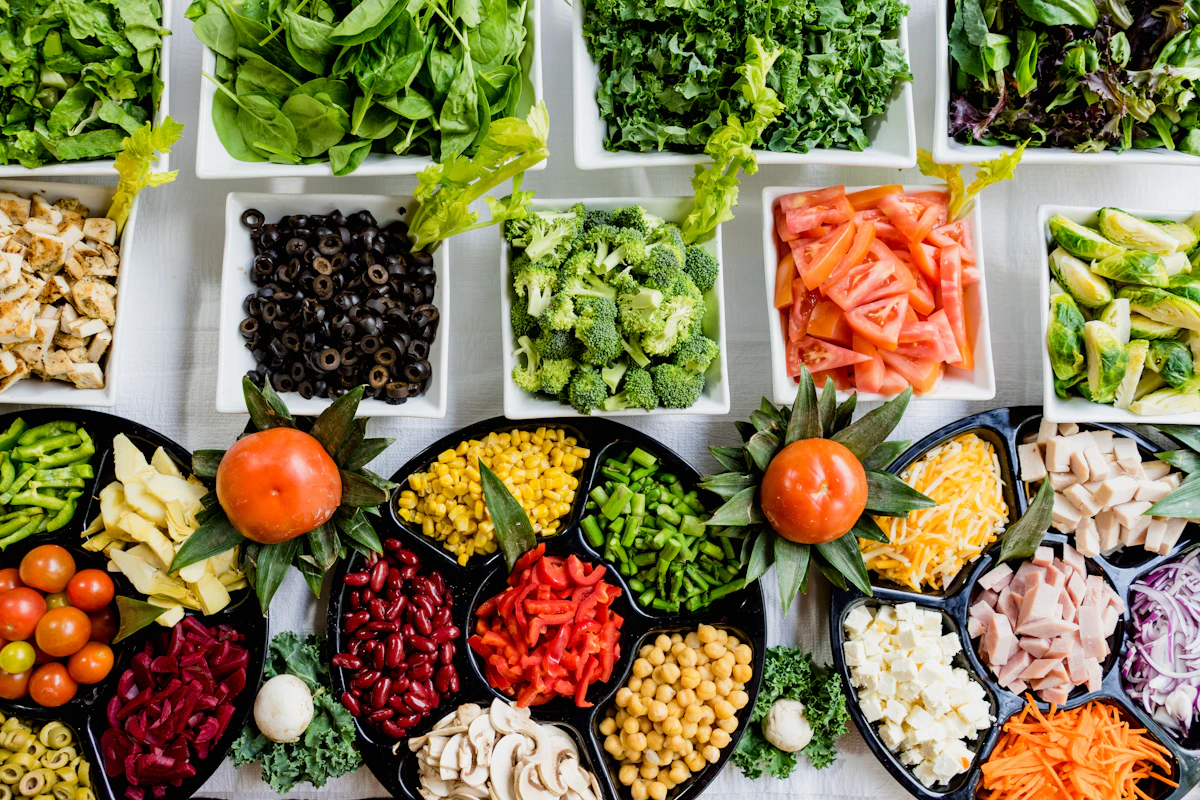
Protein, fiber, and minimally processed foods support fullness and steady energy.
What Actually Works for Lasting Fat Loss
Major health institutions consistently point to the same fundamentals. The Mayo Clinic's weight-loss guidance emphasizes a modest, sustainable calorie deficit, regular physical activity, and long-term habit change over quick fixes.
Phase 1: Build a Sustainable Nutrition Base
Prioritize protein at each meal, vegetables and fruit for volume and fiber, and whole grains over refined carbohydrates. A moderate deficit of roughly 300 to 500 calories per day is easier to maintain than extreme restriction. To understand how your body uses energy, read our guide on Understanding Metabolism.
Phase 2: Add Movement and Resistance Training
Combine regular aerobic activity with two or more strength sessions per week. Muscle tissue helps preserve resting metabolic rate during weight loss and improves insulin sensitivity.
Phase 3: Protect Sleep and Manage Stress
Seven to nine hours of quality sleep supports healthy leptin and ghrelin signaling, while chronic stress keeps cortisol high and appetite hard to control. Explore Sleep and Recovery and Stress and the Body for practical strategies.
Phase 4: Make It Stick With Habits
Consistency matters more than intensity. Our article on Building Healthy Habits shows how small, repeatable changes add up. For evidence-based nutrition and weight advice, you can also browse Harvard Health's diet and weight loss resources.
Final Thoughts
So, does Nagano Lean Body Tonic really work? The honest answer is that there is no strong, independent evidence that the product itself delivers meaningful fat loss, and its claims should be treated with caution. Some commonly used ingredients may have small effects on appetite or energy expenditure, but these are far from the dramatic results usually advertised, and they cannot replace a calorie deficit, movement, quality sleep, and stress management.
Practical takeaways:
- Be skeptical of any product promising effortless or rapid fat loss.
- Check the full ingredient list, doses, refund terms, and independent third-party testing.
- Talk to a doctor or registered dietitian before starting a supplement, especially if you have a health condition or take medication.
- Invest your effort in proven habits: balanced meals, strength training, daily movement, and good sleep.
Want more evidence-based, hype-free guidance? Explore our other wellness guides on fitrss.com to build a healthier lifestyle step by step.
Medical disclaimer: This article is for informational and educational purposes only and does not constitute medical advice, diagnosis, or treatment. Always consult a qualified healthcare professional before starting any supplement or weight-loss program.
